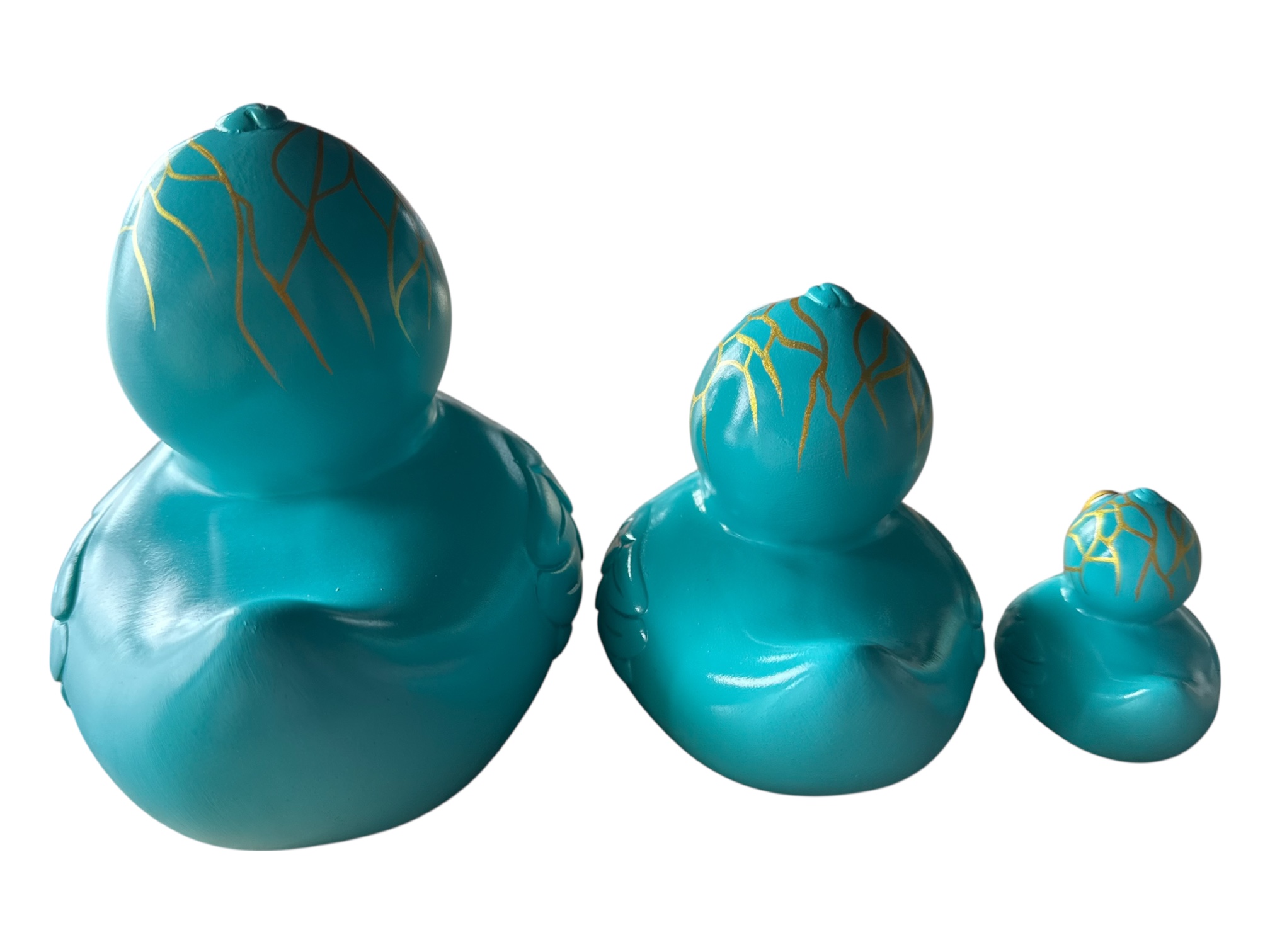
4 oefeningen die gesprekken lichter maken
Hoe de Japanse kintsugi-kunst een zachte ingang geeft voor gesprekken over dementie. Met vier mini-oefeningen van 5 minuten kun je vandaag nog beginnen.
“Oma, wat is er met Dobby gebeurd?”
Dat vroeg een kleindochter toen ze de gouden barst op zijn kopje zag. Het antwoord? “Dobby is gerepareerd. En nu is hij mooier dan eerst.”
Dat is kintsugi. De Japanse kunst om gebroken keramiek te herstellen met goud. Je verstopt de breuk niet, je viert hem. En precies dát kunnen we gebruiken in gesprekken over dementie.
Waarom dit werkt bij dementie
“Hoe gaat het met je vader?”
“Hij is zichzelf niet meer.”
Hoor je hoe zwaar dat klinkt? Kintsugi geeft een andere ingang. We beginnen niet met verlies, maar met vorm. “Welke barst vind je mooi?” is lichter dan “Wat gaat er mis?”.
Het maakt ruimte voor nuance, humor en kleine successen. Niemand hoeft “het juiste antwoord” te geven. Je kijkt samen, benoemt wat je ziet en volgt het gesprek. Minder spanning, meer mens.
Vier mini-oefeningen (5 minuten per stuk)
1) De barst die past
Zet Dobby neer. Vraag: “Welke barst past vandaag bij jou?” Laat iemand aanwijzen. Vraag: “Wat maakt dat deze past?” Schrijf de zin op een kaartje. Klaar.
Voorbeeld: Mevrouw De Vries wees naar de barst achter Dobby’s oor. “Die, omdat ik ook niet alles meer hoor.” We schreven het op. De week erna wilde ze het kaartje weer zien. Ze glimlachte breed. “Dat had ik gezegd, hè?” Herkenning in dertig seconden.
2) Goudmoment van de week
Kies aan het eind van de week één moment dat glans verdient: een lach, een liedje, een wandeling. Noteer het in het herinnerboek of plak een briefje op de koelkast. Maak er een ritueel van, bijvoorbeeld elke zondag met thee.
3) Plakken met papier
Knip uit goudkleurig papier dunne “barstjes” en leg die op een tekening of foto. Schuif tot het klopt. Vraag: “Wat verandert er door dit lijntje?” Ook als de coördinatie minder wordt, kan iemand aanwijzen waar een barstje moet komen.
4) Praten over barstjes
Vertel over een moment waarop jij zelf een ‘barst’ ervoer die later mooi bleek. Een mislukte cake, een omweg met mooi uitzicht, een vergeten afspraak die ruimte gaf. Door zelf kwetsbaar te zijn, creëer je veiligheid.
Do’s & don’ts
Do’s:
Don’ts:
Voorbeeldzinnen die werken
Zet één zin op een kaartje naast Dobby. Hergebruik hem. Routine geeft rust.
Veelgemaakte fouten
Fout 1: Wachten tot “het juiste moment” → Er is geen juist moment. Begin nu.
Fout 2: Te veel uitleggen → Als iemand vraagt: “Kintsugi laat zien dat breuken mooi mogen zijn.” Eén zin. Klaar.
Fout 3: Te veel vragen tegelijk → Eén vraag. Wacht op een antwoord (of stilte). Ga dan pas verder.
Fout 4: Denken dat het iets moet opleveren → Soms is het resultaat gewoon dat jullie samen naar Dobby keken. Dat is genoeg.
Tot slot
Kintsugi draait om kijken met mildheid. Naar een kom, naar een persoon, naar jezelf. In het Dobbyhuis geloven we dat “kapot” en “mooi” geen tegenpolen zijn. En dat een gouden lijn soms precies de verbinding is die nodig was.
Dus pak Dobby erbij. Kies één vraag. En begin vandaag.
Want barstjes worden pas goud als je ze laat zien.
Heb je vragen? Neem gerust contact op. We delen graag wat we leren.
Liefs,
Erica de Winter

om op de hoogte gehouden te worden wanneer er nieuws op de website verschijnt
©2026 Dobby International door Studio Wil & Wil